
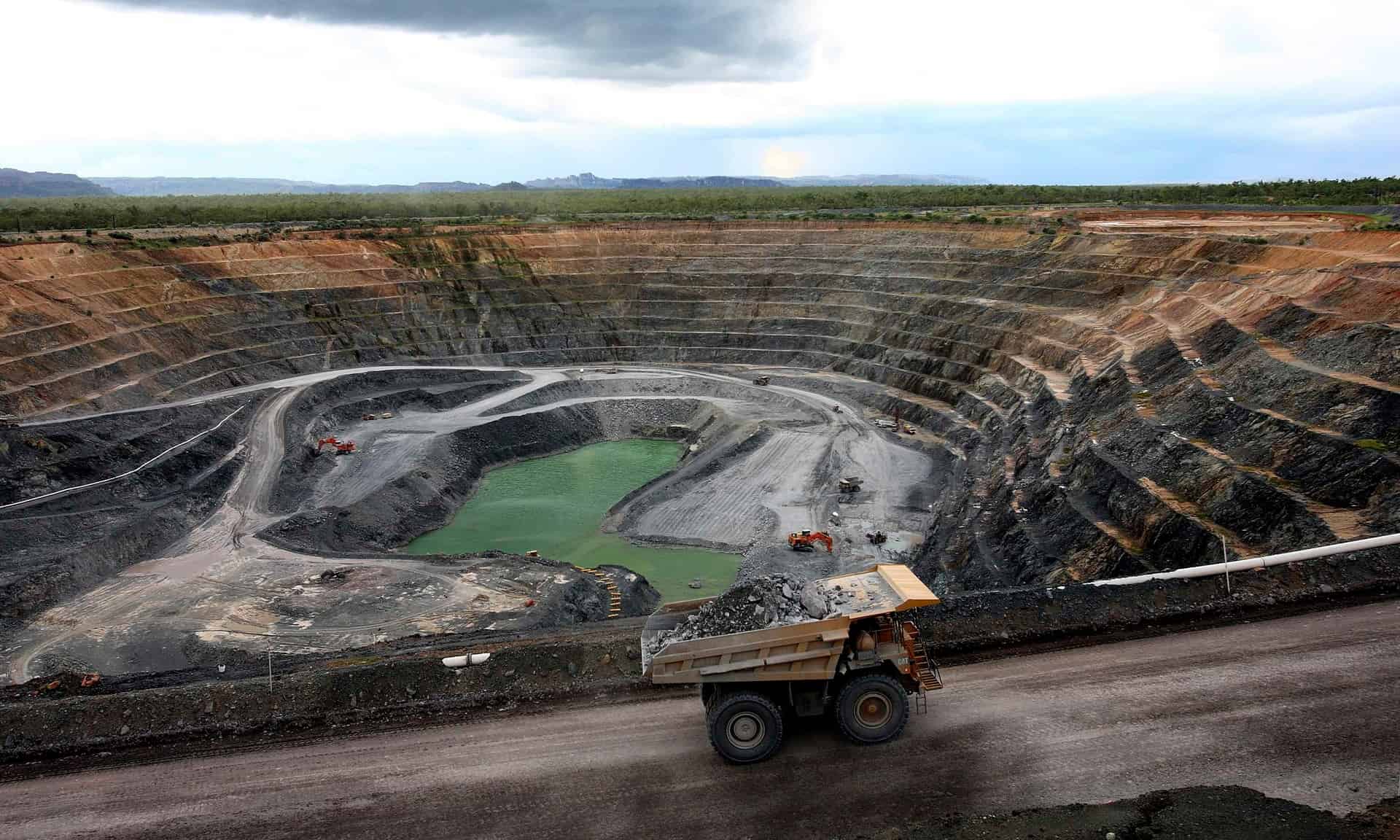
The party is over in the mining industry – again. There is a strong whiff of 2009, the year after the great financial crisis. Almost every commodity is falling in price. Assumptions for demand, investment, jobs and shareholders’ dividends are being ripped up.
The share price of once-mighty Anglo American illustrates the industry’s feast-or-famine characteristics. Between 2003 and 2009, Anglo’s shares travelled from 900p to £33 and then back to 900p; after 2009, they rose again to £33 but are now 778p.
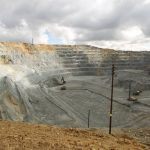
How does that happen? Look at the group’s Minas-Rio operation in Brazil for the tale in miniature. This project was conceived in 2007 when the price of iron ore was $150 a tonne. Anglo spent $8.4bn, instead of a planned $2.9bn, on building the mine plus infrastructure that included a 325-mile pipeline. Throw in acquisition costs and Anglo owned an asset with a notional value of $14bn. Three write-downs later, and with iron ore fetching closer to $50 a tonne, Minas-Rio is now valued by Anglo at just $3.6bn.
Part of that financial pain was self-inflicted. The deeper malaise affecting the entire industry is weaker demand from China, the biggest consumer of raw materials. A country with 20% of the world’s population takes about 45% of global copper production; and Chinese steelmakers buy almost 60% of exported iron ore, mostly from Brazil and Australia. When China slows, upsets happen.
Back in 2009, the miners were saved when Beijing, fearing recession after the banking crisis in the west, launched a massive infrastructure programme, boosting spending on roads, railways and houses. The commodity party was back on. Rio Tinto, which repaired its balance sheet with a $15bn emergency rights issue at £14 a share in 2009, was trading at £45 within two years. Now Rio is back at £24.
This time the miners will not receive a get-out-of-jail card from China. First, Beijing knows that huge infrastructure spending, as a proportion of GDP, is unsustainable. The authorities are trying to encourage consumption by consumers instead. Second, China, overburdened with debt, can’t afford a repeat anyway.
The other difference from 2009 is more encouraging for the producers. Balance sheets are stronger and most mining chief executives, instead of placing blind faith in a “stronger for longer” commodities supercycle, have been talking the language of production efficiency and investment discipline.
Andrew Mackenzie, chief executive of BHP Billiton, said in February that the world’s biggest miner started planning for a sustained period of lower prices almost three years earlier. Since then, he said, $10bn a year had been saved by productivity gains and capital spending had been cut by 40%.
Are such cuts enough to protect profit margins and dividends? Already, mining chiefs are blaming each other for over-investing and over-producing. “We are responding to the market and making the changes, unlike some who talk about it but do not do that much,” said Mark Cutifani, Anglo’s chief executive, on Friday. He may have been referring to the Brazilian group Vale.
At Glencore, industry titan Ivan Glasenberg has been waging a verbal war against rivals for 18 months. “I’m doing my level best to convince our competitors that we should understand the words supply-demand,” the chief executive told a frustrated shareholder at the group’s annual meeting in May.
The frustration will be deeper now. Glencore floated in London at 530p in 2011 and it’s been downhill all the way; its shares hit a new low of 210p on Friday. The company is still worth £30bn, or $47bn, but a half-promised share buyback may have to be abandoned. Glencore’s net debt is $51bn, analysts estimate, if one excludes the value of commodities held for sale by the trading division.
The Guardian